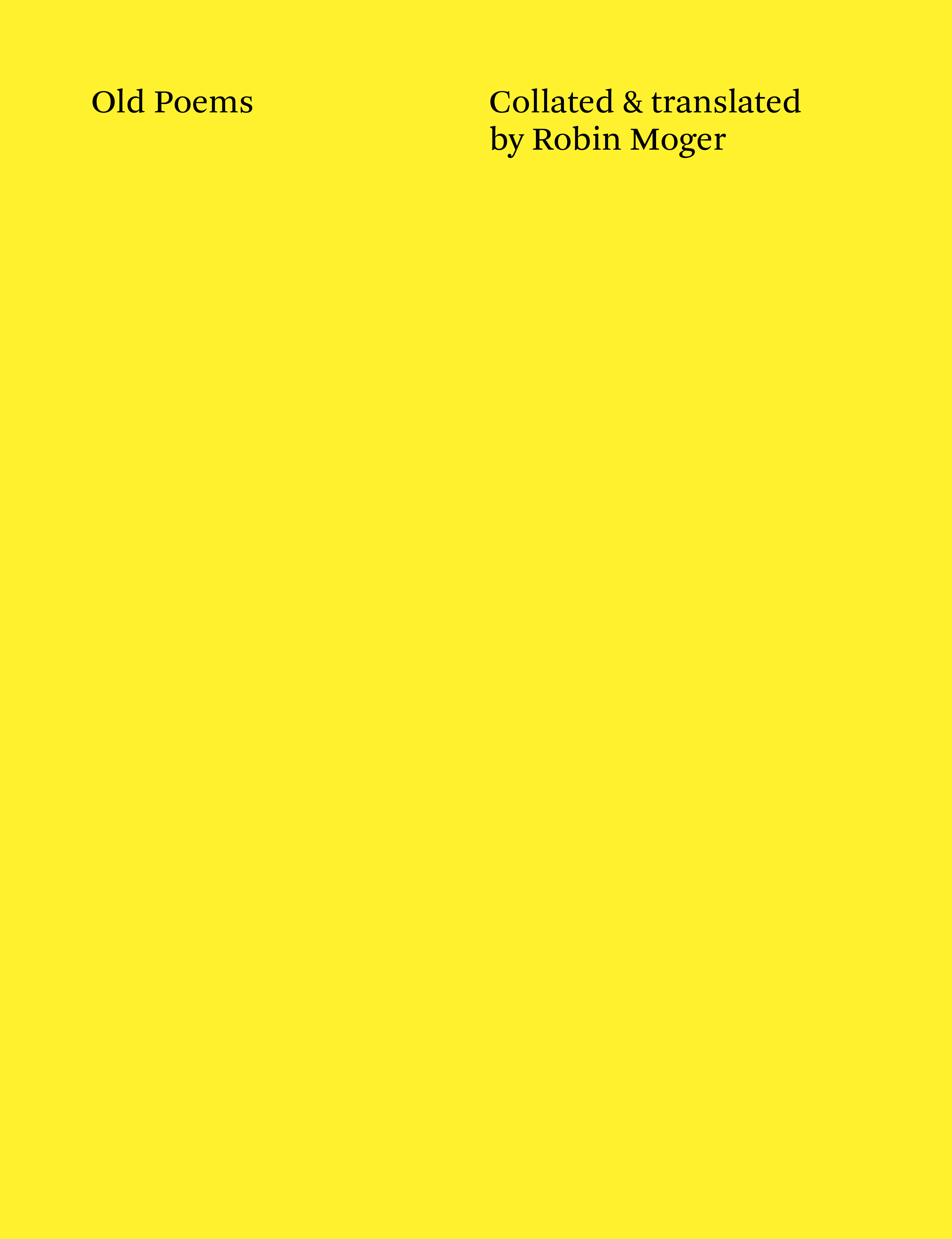

Old Poems
Collated & translated
by Robin Moger
Tenement Press #26
978-1-917304-11-5
80pp [Approx.]
£15.50
PREORDER DIRECT FROM TENEMENT HERE
Published 24th April 2026
A book in five chapters
1 [no malice in their violence]
2 [chrysanthemum]
3 INDEBTED
4 [which camel]
5 SPRING
Collated & translated
by Robin Moger
Tenement Press #26
978-1-917304-11-5
80pp [Approx.]
£15.50
PREORDER DIRECT FROM TENEMENT HERE
Published 24th April 2026
A book in five chapters
1 [no malice in their violence]
2 [chrysanthemum]
3 INDEBTED
4 [which camel]
5 SPRING
Gonzalo Clavero, ‘Calañas personal‘
With poems & lines
of verse by ...
Salah Abdel Sabbour
Perejaume
Dhul Rumma
Abu Ja‘far Ibn al-Abbar
Al-Nabigha al-Dhubyani
Al-Khansa Bint ‘Amr Ibn al-Sharid
Khaffaf Ibn Nadbah
Golan Haji
Luqman Ibn ‘Aad
Abu al-Walid al-Himyari
Abu Bakr Ibn al-Qutiyyah
Mohammad Ibn Mas‘oud al-Bajjani
& other texts lifted
from books by ...
Ibn Khallikan
R. Blachère
Khaireddin al-Zirikli
Abu al-Faraj al-Isfahani
J.E. Montgomery
Abu al-Walid al-Himyari
Abdallah al-Tayyib
Irfan Shahîd
Diogenes Laertius
al-A‘lam al-Shantamari
Taha Hussein
Ibn Manzour
al-Ma‘arri
al-Sheikh al-Sadouq
Ibn al-Nadeem
Ibn Qutayba
‘Abdel ‘Aziz ‘Ateeq
Mohammad Abu al-Fadl
Sheikh Mustafa al-Ghalayini
Wahb Ibn Munabbih
Ibn Hisham
Ibn Bassaam al-Shantarini
Ibn ‘Umaira al-Dhabbi
Ibn al-Abbar al-Qudaa‘i
Ibn Sa‘eed al-Maghribi
![]()
![]()
Scatter back into earth the precious stones of the earth.
Perejaume
With poems & lines
of verse by ...
Salah Abdel Sabbour
Perejaume
Dhul Rumma
Abu Ja‘far Ibn al-Abbar
Al-Nabigha al-Dhubyani
Al-Khansa Bint ‘Amr Ibn al-Sharid
Khaffaf Ibn Nadbah
Golan Haji
Luqman Ibn ‘Aad
Abu al-Walid al-Himyari
Abu Bakr Ibn al-Qutiyyah
Mohammad Ibn Mas‘oud al-Bajjani
& other texts lifted
from books by ...
Ibn Khallikan
R. Blachère
Khaireddin al-Zirikli
Abu al-Faraj al-Isfahani
J.E. Montgomery
Abu al-Walid al-Himyari
Abdallah al-Tayyib
Irfan Shahîd
Diogenes Laertius
al-A‘lam al-Shantamari
Taha Hussein
Ibn Manzour
al-Ma‘arri
al-Sheikh al-Sadouq
Ibn al-Nadeem
Ibn Qutayba
‘Abdel ‘Aziz ‘Ateeq
Mohammad Abu al-Fadl
Sheikh Mustafa al-Ghalayini
Wahb Ibn Munabbih
Ibn Hisham
Ibn Bassaam al-Shantarini
Ibn ‘Umaira al-Dhabbi
Ibn al-Abbar al-Qudaa‘i
Ibn Sa‘eed al-Maghribi

Scatter back into earth the precious stones of the earth.
Perejaume
Dhul Rumma
[come undone]
You know that home is come undone
to nothing? Now,
soft dips and hollows,
pieced in an unbroken plain,
with Spica’s rise receive its rains,
first falls that pass and circle,
fall again.

Al-Nabighah al-Dhubyani’s poem
on his eventual departure from
the kings of Ghassaan
I lived among them till I went away, O hold them near
O lord
the way far lamps through darknesses show clear
they never turn away,
not when the winter cold slings dust across the skies
like russet hide
these kings
and sons of kings
most constant in their charity
through all inconstancy
of man
be wise as Aad
their bodies light
being purged
of blight
of sin

Regarding such themes as I have favoured in my book and sought out in my compiling, the chief of police, Abu Bakr Ibn al-Qutiyyah, has composed pieces that are uniquely imaginative, inventive and magical, which I have placed here in their appropriate chapters and set amid their peers. Among the wonders he has recited to me is the following:
The line of the horizon starts to blur, the sky’s eye swims
and to the earth’s cold face sends out his tears
as though he loves, as though to loose
his complaint into air.
He hopes to soften the hardness shown him there,
but though those envoys might be welcomed in
her face by him shall keep unseen,
from him be veiled, against him swathed,
in green.
... from THE MARVELLOUS
IN THE DESCRIPTION OF SPRING
by Abu al-Walid al-Himyari
Read Golan Haji’s response to
THE MARVELLOUS IN THE
DESCRIPTION OF SPRING
by Abu al-Walid al-Himyari ...
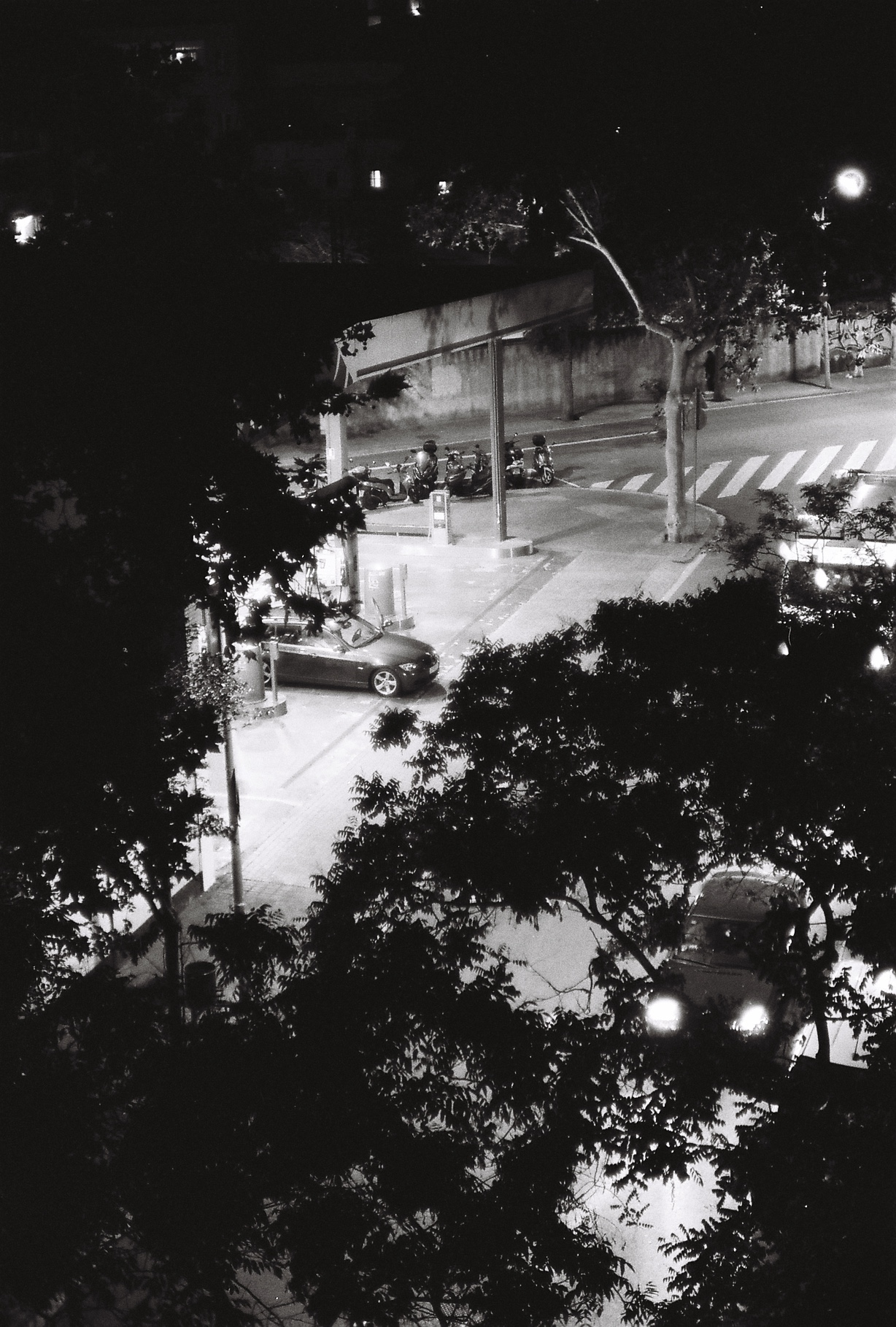
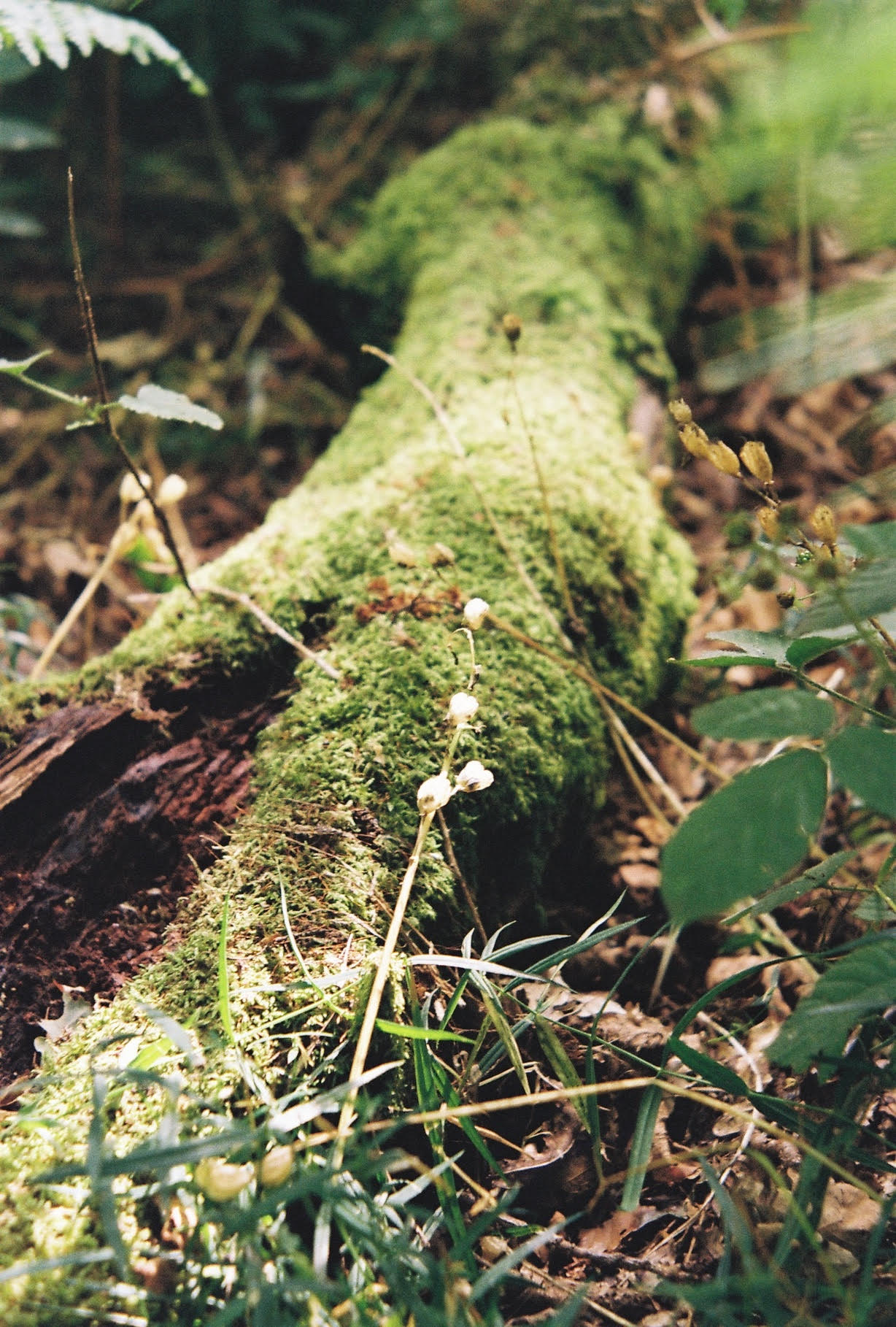
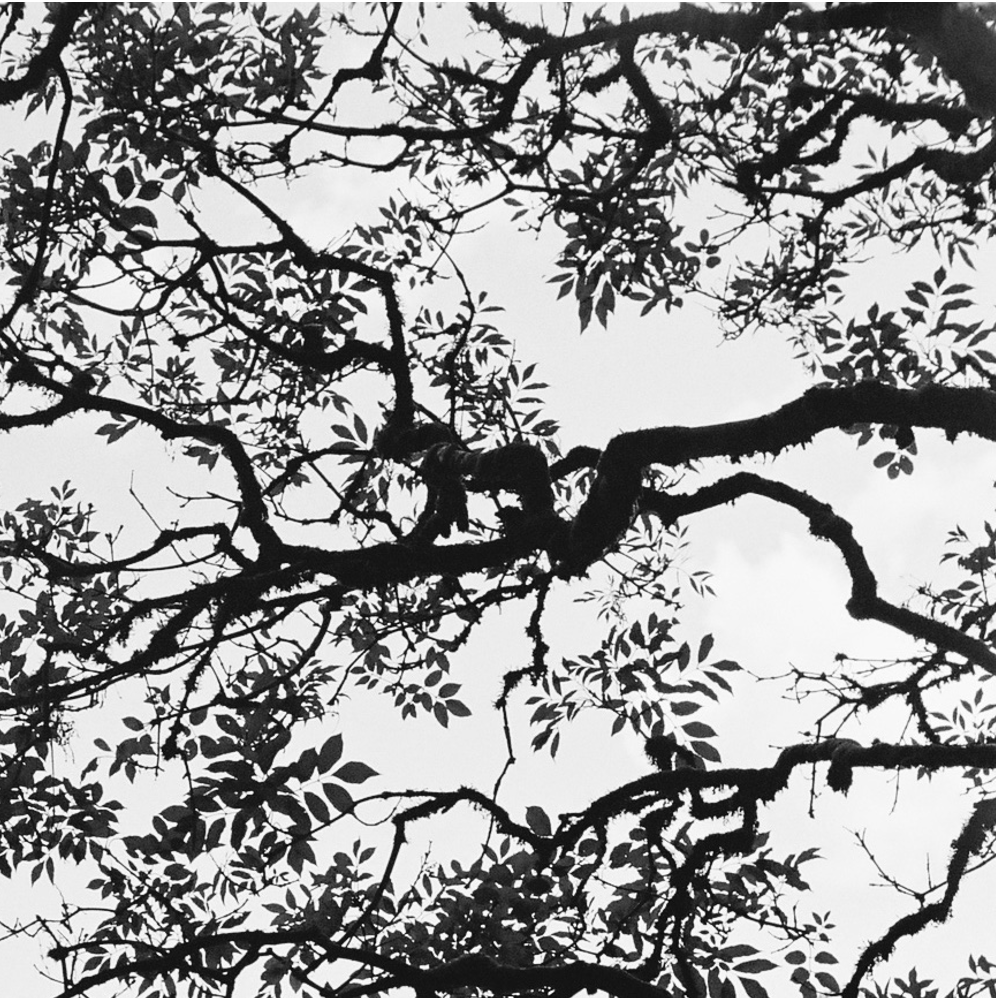
All photographs by
James Brankovic Moger, © 2025.
(From the Translator’s Preface.)
A book in five chapters, the first four of which contain the poems of two early Arabic language poets, al-Nabigha al-Dhubyani (‘The Prodigy of the Banu Dhubyan,’ a tribal group), said to have died in 18BH (604CE) and Dhul Rumma (’He of the Frayed Cord’) who died in 114AH (732CE). The poems are accompanied by texts taken from books of all periods, the majority of them ‘reports,’ which is to say accounts of events from the poets’ lives passed down in the same way as their poems (from contemporary witnesses through a chain of transmitters to a page): they are supposedly the roots bedded in history that gave rise to a poem’s growth, though they might also be thought of as the boughs sustained by and screening its trunk.
Almost all the material in the book is translated, with the exception of the odd line here or there. The third chapter contains two poems by Dhul Rumma and one by Golan Haji (dedicated to this translator). Golan Haji (b.1977) is a Kurdish writer from the northern Syrian town of Amouda living in Paris. The poems by al-Nabighah al-Dhubyani revolve around the story of al-Nabighah’s exile from the Lakhmid kingdom—then ruled by al-Nu‘man Ibn al-Mundhir—to the court of the Ghassanid kings, and his eventual return to al-Nu‘man. The fifth chapter contains texts taken from The Marvellous in the Description of Spring, an anthology of Andalusian prose and poetry on the season of spring and flowers by the Sevillian poet and courtier Abu al-Walid al-Himyari, said to have died in about 440AH (1048CE).
(Praise for Moger’s prior Tenement translations.)
![]()
![]()
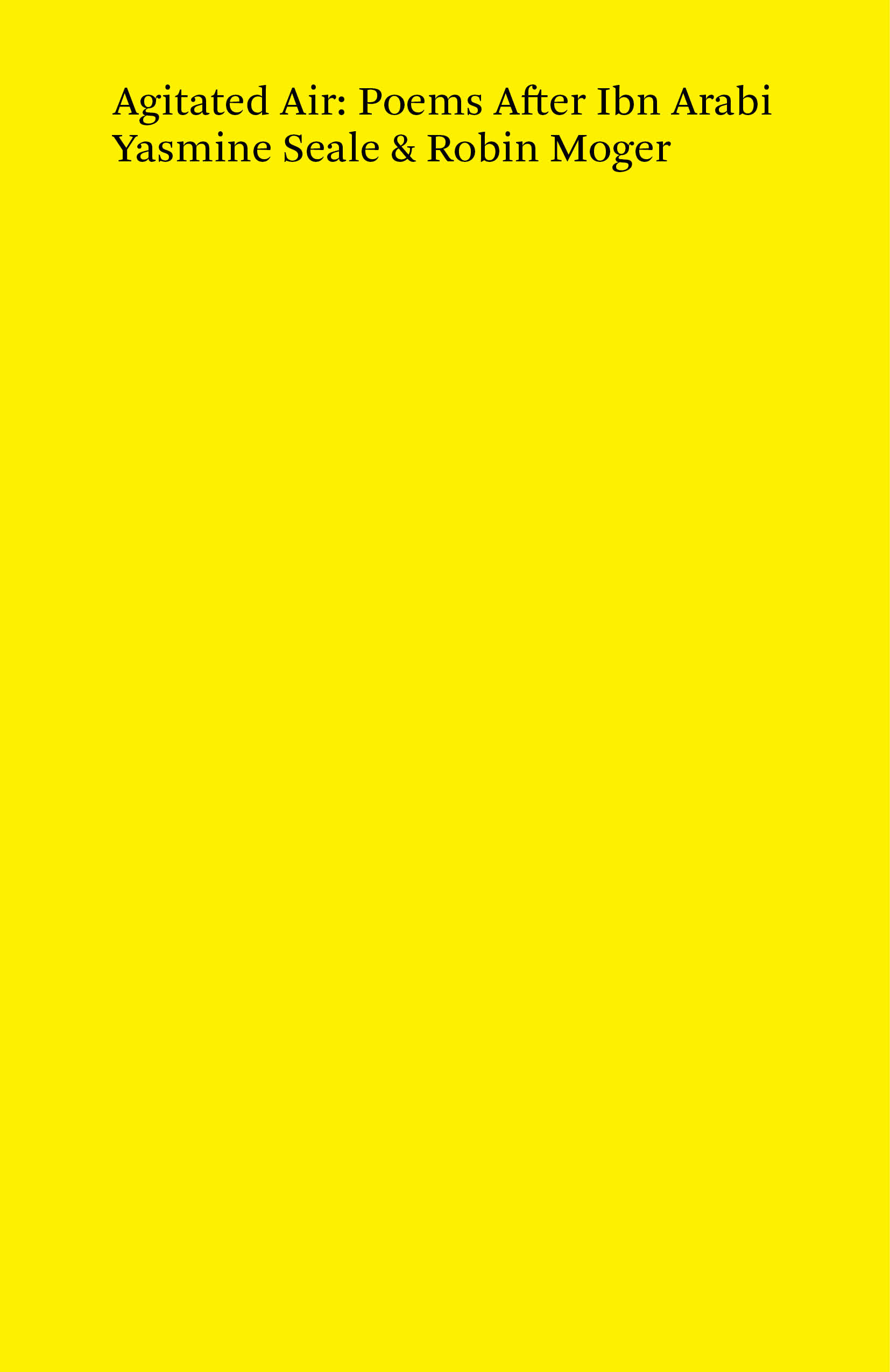
Antiphonal, intimate and virtuoso, these variations respond to the sense that the interpretation of desires can be endless—it can dance this way and that, and then turn and turn again. The exchange of voices, singing lines that meet and part, pick up on the presence of the lover and the beloved in the poems; as Yasmine Seale and Robin Moger pass each newly wrought phrase back and forth between them, the distance between Seale in Istanbul and Moger in Cape Town is bridged, and so are the centuries that separate us from Ibn Arabi, his motifs, his mystical ascents and descents, and his anguished yearning. This is translation as intrepid and inspired re-visioning, a form of poetry of its own, as forged by Edward FitzGerald, Ezra Pound and Anne Carson.
(Marina Warner on Seale & Moger’s Agitated Air)
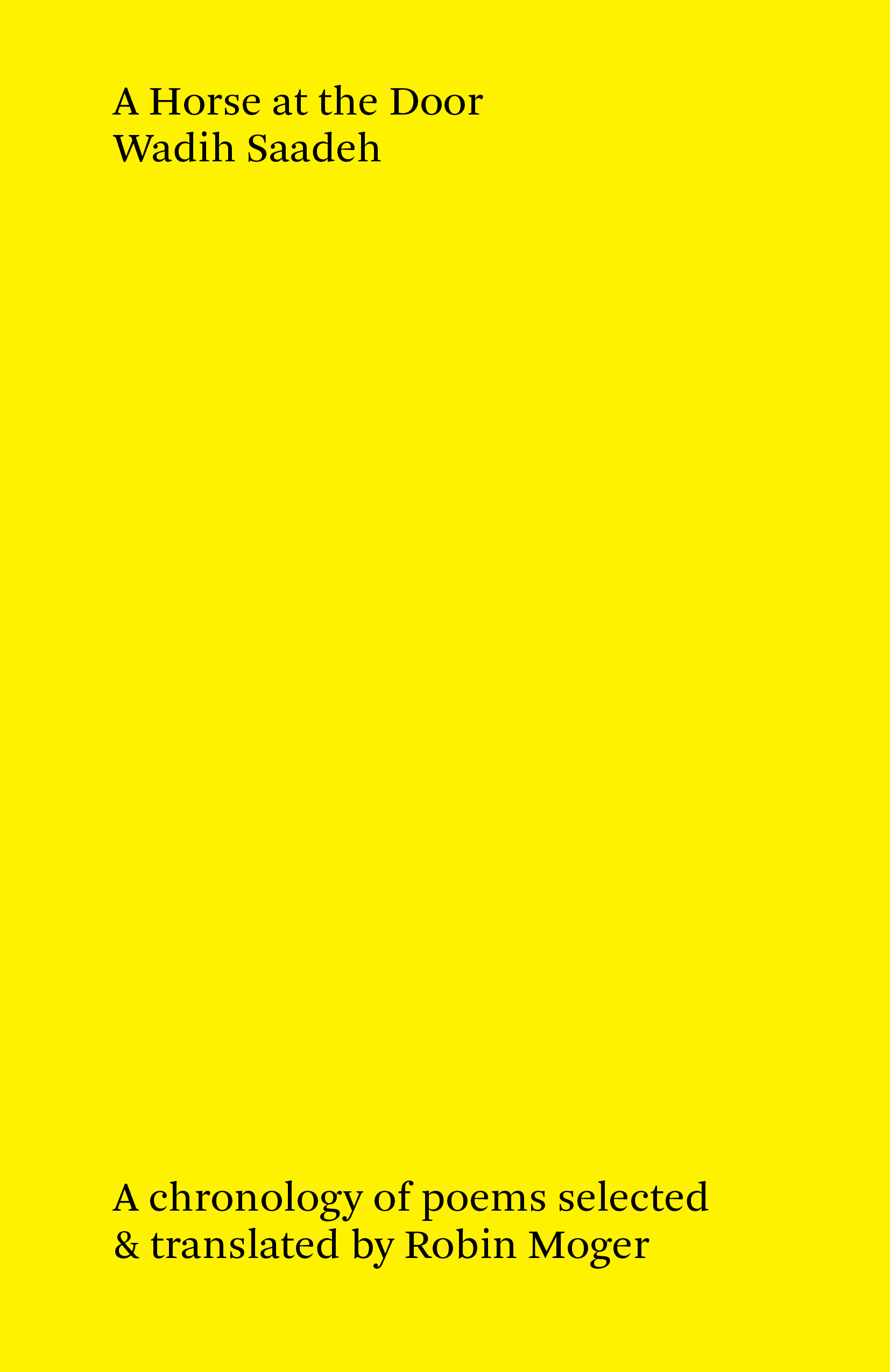
Reading Wadih Saadeh, in this inspiring translation by Robin Moger, one finds oneself entering the aftershocks of an imagination devastated by war and the deep internal and external exiles that follow such destruction. His poetry, loose and open—attentive and philosophical—lives in the remnants of what is left, of what survives to tell its tales, in both short-form, slightly surreal parables, and longer autobiographic tracings. It speaks of dust, of being dust, of stones talking to stones, of separated limbs and shadows walking their own way, clinging to shapes, of being water, of being rubble, new languages learnt, friendships, and tobacco at the source of a breath. Of travelling without arrival. Of moving without settling. As though one is forever seeking to settle but one doesn’t know how, or into what form. In the end, the poet settles on passing, and finds aliveness in its slightest movements. Like passing one’s hand through one’s hair, as he does it in the closing sequence of his ground-breaking poem from the Lebanese civil war. An extraordinary and painfully timely collection.
(Caroline Bergvall on Wadih Saadeh’s A Horse at the Door)
Memories? Dreams? Thought experiments? A doubt hovers over what we are reading. That was in the distant past, that never was. Wadih Saadeh’s poems are haunted by absence and yet they brim with life, alert as they are to the most elusive disturbances of air. There was no division between us and the earth. Here a chair, a tree, a bird, a ghost has as much subjectivity as any living human. They have desires. They are the poet’s interlocutors. Their existential discussions with him are rehearsals for a world in which the wind may perchance return the leaf to the tree. The poet is not naïve. He knows the impossibility of wholeness, the irreversibility of exile’s traumas. Yet his voice remains playful. It has the supreme authority of tenderness. It embodies an ethics of the passers-by, who crush no one and are crushed by no one. Robin Moger’s supple translation deftly navigates the text’s associative meanderings. Breathless, the reader stands amazed.
(Omar Berrada on Wadih Saadeh’s A Horse at the Door)
Robin Moger is a translator of Arabic to English who lives in L’Hospitalet de Llobregat. His translations of prose and poetry have appeared widely. Among his recent publications are Sleep Phase by Mohamed Kheir (Two Lines Press, 2025), Wadih Saadeh’s A Horse at the Door (Tenement Press, 2024), Strangers in Light Coats (Seagull Press, 2023)—a collection of the poems of Palestinian poet Ghassan Zaqtan—and Traces of Enayat by Iman Mersal (And Other Stories Press, 2023), which was a joint winner of the 2024 James Tait Black Prize for Biography.
A book in five chapters, the first four of which contain the poems of two early Arabic language poets, al-Nabigha al-Dhubyani (‘The Prodigy of the Banu Dhubyan,’ a tribal group), said to have died in 18BH (604CE) and Dhul Rumma (’He of the Frayed Cord’) who died in 114AH (732CE). The poems are accompanied by texts taken from books of all periods, the majority of them ‘reports,’ which is to say accounts of events from the poets’ lives passed down in the same way as their poems (from contemporary witnesses through a chain of transmitters to a page): they are supposedly the roots bedded in history that gave rise to a poem’s growth, though they might also be thought of as the boughs sustained by and screening its trunk.
Almost all the material in the book is translated, with the exception of the odd line here or there. The third chapter contains two poems by Dhul Rumma and one by Golan Haji (dedicated to this translator). Golan Haji (b.1977) is a Kurdish writer from the northern Syrian town of Amouda living in Paris. The poems by al-Nabighah al-Dhubyani revolve around the story of al-Nabighah’s exile from the Lakhmid kingdom—then ruled by al-Nu‘man Ibn al-Mundhir—to the court of the Ghassanid kings, and his eventual return to al-Nu‘man. The fifth chapter contains texts taken from The Marvellous in the Description of Spring, an anthology of Andalusian prose and poetry on the season of spring and flowers by the Sevillian poet and courtier Abu al-Walid al-Himyari, said to have died in about 440AH (1048CE).
(Praise for Moger’s prior Tenement translations.)
Antiphonal, intimate and virtuoso, these variations respond to the sense that the interpretation of desires can be endless—it can dance this way and that, and then turn and turn again. The exchange of voices, singing lines that meet and part, pick up on the presence of the lover and the beloved in the poems; as Yasmine Seale and Robin Moger pass each newly wrought phrase back and forth between them, the distance between Seale in Istanbul and Moger in Cape Town is bridged, and so are the centuries that separate us from Ibn Arabi, his motifs, his mystical ascents and descents, and his anguished yearning. This is translation as intrepid and inspired re-visioning, a form of poetry of its own, as forged by Edward FitzGerald, Ezra Pound and Anne Carson.
(Marina Warner on Seale & Moger’s Agitated Air)
Reading Wadih Saadeh, in this inspiring translation by Robin Moger, one finds oneself entering the aftershocks of an imagination devastated by war and the deep internal and external exiles that follow such destruction. His poetry, loose and open—attentive and philosophical—lives in the remnants of what is left, of what survives to tell its tales, in both short-form, slightly surreal parables, and longer autobiographic tracings. It speaks of dust, of being dust, of stones talking to stones, of separated limbs and shadows walking their own way, clinging to shapes, of being water, of being rubble, new languages learnt, friendships, and tobacco at the source of a breath. Of travelling without arrival. Of moving without settling. As though one is forever seeking to settle but one doesn’t know how, or into what form. In the end, the poet settles on passing, and finds aliveness in its slightest movements. Like passing one’s hand through one’s hair, as he does it in the closing sequence of his ground-breaking poem from the Lebanese civil war. An extraordinary and painfully timely collection.
(Caroline Bergvall on Wadih Saadeh’s A Horse at the Door)
Memories? Dreams? Thought experiments? A doubt hovers over what we are reading. That was in the distant past, that never was. Wadih Saadeh’s poems are haunted by absence and yet they brim with life, alert as they are to the most elusive disturbances of air. There was no division between us and the earth. Here a chair, a tree, a bird, a ghost has as much subjectivity as any living human. They have desires. They are the poet’s interlocutors. Their existential discussions with him are rehearsals for a world in which the wind may perchance return the leaf to the tree. The poet is not naïve. He knows the impossibility of wholeness, the irreversibility of exile’s traumas. Yet his voice remains playful. It has the supreme authority of tenderness. It embodies an ethics of the passers-by, who crush no one and are crushed by no one. Robin Moger’s supple translation deftly navigates the text’s associative meanderings. Breathless, the reader stands amazed.
(Omar Berrada on Wadih Saadeh’s A Horse at the Door)
Robin Moger is a translator of Arabic to English who lives in L’Hospitalet de Llobregat. His translations of prose and poetry have appeared widely. Among his recent publications are Sleep Phase by Mohamed Kheir (Two Lines Press, 2025), Wadih Saadeh’s A Horse at the Door (Tenement Press, 2024), Strangers in Light Coats (Seagull Press, 2023)—a collection of the poems of Palestinian poet Ghassan Zaqtan—and Traces of Enayat by Iman Mersal (And Other Stories Press, 2023), which was a joint winner of the 2024 James Tait Black Prize for Biography.